
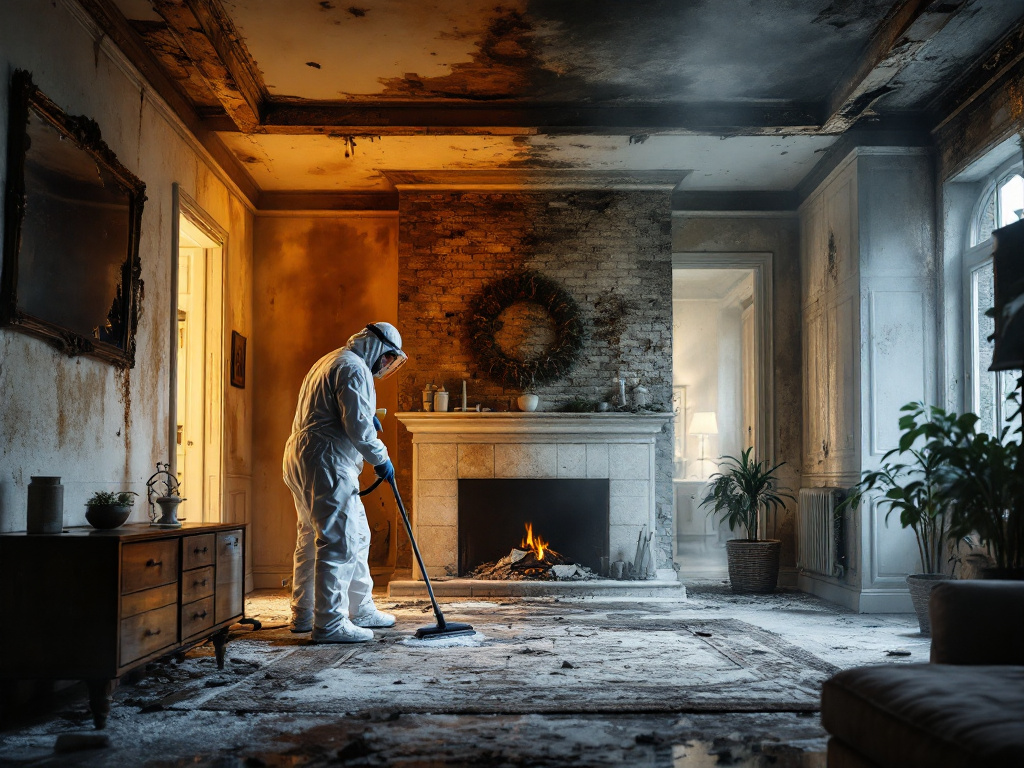
Understanding fire and smoke damage
When disaster strikes, fire and smoke cleanup for homes becomes your top priority. Beyond visible char and ash, smoke and soot can infiltrate walls, ductwork, fabrics and contents, posing ongoing health and structural risks. Understanding the nature of fire and smoke damage helps you plan an effective restoration strategy.
Types of damage
- Surface residues: Soot stains on walls, ceilings and fixtures
- Embedded particles: Smoke molecules trapped in drywall, carpets and upholstery
- Chemical residues: Byproducts of burned plastics or treated materials
- Structural harm: Weakened framing, warped wood and compromised finishes
Health risks
Smoke and fire residues contain toxic particles and gases that can irritate your respiratory system and exacerbate chronic conditions:
- Immediate effects: coughing, throat irritation, headache
- Long-term concerns: asthma, COPD flare-ups, cardiovascular issues, increased cancer risk [1]
- Hidden exposure: residual soot in vents and behind walls may continue to affect indoor air quality until fully removed
Estimating cleanup costs
Knowing typical restoration costs helps you budget and coordinate with insurance. Costs vary by home size, damage severity and methods used:
| Service | Cost range |
|---|---|
| Fire and smoke restoration (total) | $3,137 – $51,541 [2] |
| Per square foot cleanup | $4 – $7 [2] |
| Soot and smoke residue removal | $2,000 – $6,000 [3] |
| Deodorization per room | $200 – 1,200 [3] |
| Ozone treatment | $400 – 800 [3] |
| Water damage cleanup after firefighting | $1,000 – 6,000 [3] |
Assessing fire and smoke damage
A thorough assessment is the foundation of safe, efficient restoration. You need to document every affected area, identify hazards and develop a detailed scope of work before cleanup begins.
Initial inspection
- Ensure the property is declared safe by fire officials
- Walk through all rooms and exterior areas, noting fire, smoke and water damage
- Photograph and video each zone for insurance claims
Documenting damage
- Create a damage log with date, location and damage type
- Prioritize areas with structural compromise or heavy soot concentration
- Identify salvageable versus irreparable items to inform content cleaning and pack-out
Link your inspection to professional evaluation through residential property damage assessment if you require certified documentation for insurance or legal purposes.
Initiating safety and mitigation
Before deep cleaning, you must secure your home and remove immediate hazards. Rapid intervention limits secondary damage from water, mold and lingering smoke.
Securing the property
- Arrange emergency board-up services to cover broken windows and door openings [4]
- Tarp damaged roofing to prevent further water intrusion
- Shut off utilities where wiring or gas lines are compromised
Immediate hazard removal
- Remove debris and unstable materials
- Extract standing water using pumps or extractors
- Ventilate lightly by opening windows—avoid fans until soot is settled to prevent spreading particles
For fast, reliable support, consider residential emergency restoration services to stabilize your home around the clock.
Executing soot and smoke cleanup
Professional soot removal and smoke residue cleaning restore surfaces and improve indoor air quality. Specialized equipment and techniques ensure thorough restoration.
Soot removal techniques
- Dry sponging or HEPA vacuuming to capture loose particles
- Wet cleaning with trisodium phosphate or specialized solutions for light to moderate soot
- Abrasive cleaning for heavy, oily residues
Smoke residue cleaning
- Clean HVAC ducts to remove embedded smoke using rotary brushes and HEPA filtration
- Wash walls, ceilings and trim with pH-balanced cleaners
- Deep-clean carpets, upholstery and fabrics to eliminate trapped smoke molecules
Rely on residential soot removal services and residential smoke damage restoration experts to handle every surface safely and effectively.
Addressing water damage
Firefighting efforts often leave behind water damage that must be managed promptly to prevent mold growth and structural decay.
Water extraction
- Deploy high-capacity extractors and pumps to remove standing water
- Target all levels, including basements and crawlspaces, for complete moisture removal
- Coordinate with emergency water extraction for homes teams if flooding is extensive
Preventing mold
- Remove wet drywall, insulation and porous materials within 24 hours
- Apply antimicrobial treatments to exposed framing and subfloors
- Plan for residential mold remediation services if mold appears or humidity stays high
For full flood and fire water restoration, link to water damage cleanup for residential properties.
Performing structural drying
Drying your home thoroughly safeguards against secondary mold and preserves building materials. Continuous monitoring ensures optimal results.
Drying methods
- High-output air movers to circulate warm, dry air
- Industrial dehumidifiers to lower ambient moisture
- Desiccant systems for enclosed areas or wood-heavy structures
Monitoring moisture levels
- Use moisture meters on walls, floors and framing
- Track humidity continuously until readings stabilize below 20 percent
- Document drying progress for insurance and restoration records
Engage residential structural drying services to leverage advanced drying technology and expertise.
Removing persistent odors
Even after soot and residue removal, lingering smoke odors can persist. A combination of traditional and advanced treatments is key.
Deodorization techniques
- Thermal fogging to penetrate cracks and fabrics
- Ozone treatments under controlled conditions [3]
- Activated charcoal or baking soda placed in sealed containers for content odor absorption [5]
Specialized treatments
- Seal and repaint surfaces with odor-blocking primers
- Professionally launder or dry-clean textiles using industrial machines
- Treat HVAC systems with antimicrobial and deodorizing agents
For dedicated services, see home smoke odor removal services and residential odor removal after smoke.
Rebuilding your home
Once cleanup and drying are complete, reconstruction restores your living space to pre-loss condition. A coordinated rebuild minimizes downtime and stress.
Repair and reconstruction
- Replace damaged drywall, insulation and flooring
- Restore electrical wiring, plumbing and HVAC systems
- Repaint, refinish cabinetry and install new fixtures
Content restoration
- Pack out, clean and store salvageable belongings off-site
- Partner with specialists for electronics and artwork restoration
- Return items and complete unpacking after reconstruction
Explore residential home rebuild after fire and residential fire damage cleanup and repair for full rebuild solutions.
Coordinating with insurers
Navigating insurance claims can be complex. Clear documentation and professional estimates speed approvals and reimbursements.
Insurance claims support
- Provide photo and video logs from your initial assessment
- Supply itemized scope of work and cost estimates
- Liaise directly with adjusters to explain remediation steps
Documentation and estimates
- Keep records of invoices, equipment rental and inspection reports
- Request detailed laboratory testing for smoke residue if coverage disputes arise
- Maintain a restoration journal with daily progress notes
A single-source partner like Remedics can manage your entire restoration and insurance liaison, reducing paperwork and follow-up.
Choosing Remedics services
Selecting a full-service restoration provider ensures seamless communication and accountability from start to finish. Remedics offers rapid response, certified technicians and comprehensive solutions.
Single-source restoration
- 24/7 emergency dispatch and board-up
- In-house teams for cleaning, drying, reconstruction and odor removal
- Coordination with plumbing, electrical and HVAC contractors
Rapid response teams
- IICRC-certified professionals for fire, smoke and water cleanup
- Advanced equipment for extraction, drying and deodorization
- Transparent estimates, regular updates and post-job inspections
When you need trustworthy, end-to-end fire and smoke cleanup for homes, Remedics stands ready to restore safety, comfort and peace of mind.


