
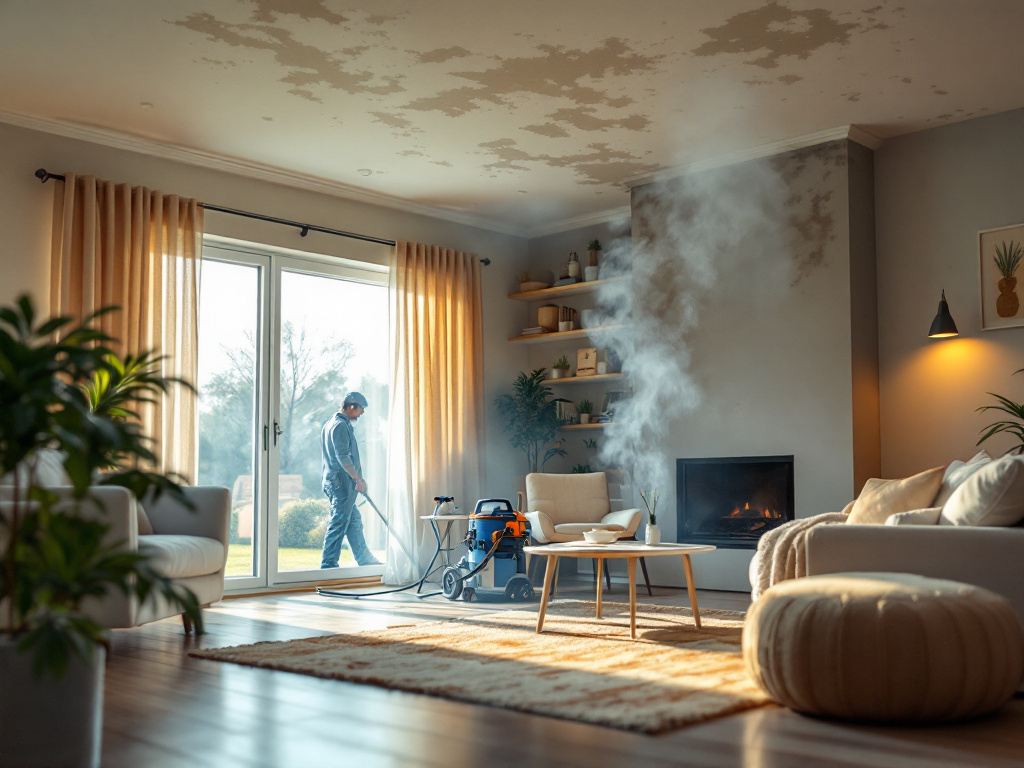
Residential smoke damage restoration is a critical step in returning your home to a safe, healthy, and comfortable condition after a fire event. Whether you’re dealing with stubborn smoke odors, visible soot stains, or hidden smoke residue in your HVAC system, understanding the full restoration workflow helps you make informed decisions. From assessment and mitigation through cleanup, drying, odor removal, and reconstruction, this guide walks you through effective steps to restore your property.
By following these tips and working with a trusted partner like Remedics, you can streamline the remediation process, support your insurance claim, and minimize long-term risks. Let’s explore how to identify smoke damage, estimate costs and timelines, and execute each phase of the restoration with confidence.
Understand smoke damage
Before diving into cleanup, you need to recognize how smoke affects your home. According to the National Fire Protection Association, the United States saw an average of 350,800 home structure fires annually between 2016 and 2020 [1]. Smoke travels quickly, depositing acidic soot and residue on surfaces, penetrating fabrics, and infiltrating ventilation systems.
Key indicators of smoke damage include:
- Lingering smoke odor, which poses health risks if untreated [1]
- Discoloration or soot stains on walls, ceilings, flooring, and hard surfaces
- Unusual film or residue on countertops, cabinetry, and appliances
- Smoke infiltration in HVAC systems, spreading odors and particles throughout your home
Left unaddressed, smoke residue can yellow plastics and marble within minutes and stain fabrics within hours, leading to long-term deterioration of wood, upholstery, and electronics [2]. Early detection and intervention are essential for an efficient restoration.
Compare cost estimates
Understanding cost ranges helps you budget and work effectively with insurance. Restoration expenses vary by damage extent, materials, and region. Below is an overview of average price ranges in 2025:
| Service | Cost range | Source |
|---|---|---|
| Minor smoke damage restoration (per room) | $200 – $1,200 | Angi |
| Ozone smoke treatment | $400 – $800 | Angi |
| Soot removal and cleanup | $2,000 – $6,000 | Angi |
| Air duct cleaning after fire | $250 – $500 | Angi |
| Average total fire and smoke restoration | $20,470 (up to $42,665) | LawnStarter |
| Price per square foot | $4.25 – $6.50 | LawnStarter |
Homeowner insurance generally covers most fire and smoke damage restoration costs, though you may incur deductibles or out-of-pocket expenses for premium materials or extensive remodeling [3].
Conduct detailed assessment
A thorough assessment sets the stage for effective restoration. You’ll want to document every affected area and understand hidden damage.
Inspect affected areas
- Walk through each room to note visible soot, residue, and odor intensity
- Examine attics, crawlspaces, and vents where smoke can linger
- Use moisture meters and infrared cameras for concealed moisture or damage [4]
- Photograph and catalog damage for insurance documentation
Link to your report with your adjuster and refer to professional residential property damage assessment services to ensure nothing is overlooked.
Estimate timeline
Restoration time depends on damage severity and processes needed:
- Initial assessment and scope of work: 1–3 days
- Mitigation and debris removal: 2–7 days
- Cleaning and deodorization: several days to weeks
- Drying and dehumidification: 2–7 days
- Repairs and reconstruction: weeks to months
National averages show a full residential fire restoration takes about four months, but minor smoke-only projects can finish in 2–12 weeks. Major rebuilds may stretch to 12 months, particularly when insurance approvals, structural repairs, or mold mitigation from water used to extinguish fires are involved [5].
Initiate immediate mitigation
Quick action limits smoke migration and secondary damage.
Secure the property
- Open windows and doors for fresh air circulation
- Shut off HVAC to prevent recirculating soot
- Seal off unaffected rooms with plastic sheeting and tape
Protect contents
- Remove undamaged furniture, textiles, and belongings to a clean area
- Cover immovable items with drop cloths
- Store sensitive materials in plastic bins to prevent further soiling
Prompt mitigation helps contain smoke residue and reduces overall restoration costs.
Remove soot and debris
Removing loose soot and char is critical before deep cleaning.
Use dry sponges
ServiceMaster at Bakersfield recommends dry cleaning sponges for light to moderate soot on walls. Wipe in straight lines, rinsing the sponge frequently to avoid smearing [6].
Apply cleaning solutions
- Test a vinegar and water mix (equal parts) on a hidden spot to lift residue without harming paint [6]
- Use commercial degreasing agents for oily soot
- Vacuum with HEPA-filtered vacuums to capture fine particles
After debris removal, you can begin more intensive cleaning and deodorization.
Perform thorough cleaning
Deep cleaning eliminates stubborn stains and residual chemicals.
Clean surfaces and textiles
- Wash walls, ceilings, trim, and cabinetry with smoke-specific cleaners
- Shampoo carpets and upholstery or outsource to residential upholstery restoration after smoke services
- Clean or replace curtains, linens, and soft goods
Restore HVAC system
Smoke particles can circulate and redeposit if HVAC ducts remain contaminated. Professional duct cleaning prevents ongoing smoke odor and helps maintain indoor air quality [3]. You may also consider residential soot removal services to ensure system components are thoroughly cleaned.
Dry and dehumidify structure
Moisture from firefighting efforts or cleaning can promote mold growth. Rapid drying is non-negotiable.
Structural drying services
Engage experts in residential structural drying services. They’ll set up industrial dehumidifiers and air movers to remove water from framing, drywall, and flooring.
Moisture monitoring
- Use digital moisture readers to track drying progress
- Adjust drying equipment placement to target high-moisture zones
- Test hidden areas, like wall cavities, until readings indicate safe levels
Drying typically takes several days but is vital to prevent mold and structural decay.
Treat persistent odors
Even after cleaning, smoke odor can linger in porous materials.
Ozone and fogging
Ozone generators break down odor molecules, while thermal fogging recreates smoke to drive deodorants into hidden crevices. These advanced techniques often resolve odors that surface cleaning cannot [2].
Ongoing deodorization
- Place activated charcoal or baking soda in rooms as supplemental odor absorbers
- Schedule follow-up treatments if odors return
- Coordinate with home smoke odor removal services or residential odor removal after smoke specialists
Persistent odors not only affect comfort but can signal remaining residue that may harm materials over time.
Repair and restore surfaces
Once cleaning and drying are complete, it’s time to rebuild.
Repaint and refinish
- Seal smoke-affected drywall with stain-blocking primers
- Repaint walls and ceilings with quality paints designed for post-fire restoration
- Refinish hardwood floors or replace as needed
Replace building materials
- Remove and replace insulation, drywall, and trim that retain smoke damage
- Install new cabinets, countertops, or flooring sections if restoration isn’t feasible
- Coordinate with residential fire damage cleanup and repair teams for seamless restoration
A methodical approach ensures your home looks and performs like new.
Coordinate insurance claims
Efficient claims handling accelerates restoration and limits out-of-pocket costs.
Document and photograph
- Keep dated photos of all damage stages and work completed
- Save receipts, invoices, and scope-of-work estimates
- Submit detailed claims to your insurer promptly
Liaise with adjusters
- Provide transparent access for insurance inspectors
- Clarify any discrepancies in scope or costs
- Stay informed about your policy coverage for smoke, soot, and related repairs [3]
A proactive stance on claims reduces delays and ensures adequate funding for full restoration.
Plan reconstruction process
A clear reconstruction plan helps you track progress and maintain budget control.
Partner with contractors
- Choose licensed, bonded, and insured professionals
- Verify experience in post-fire and smoke restoration projects
- Establish a detailed timeline and milestones
Ensure compliance
- Obtain necessary permits for structural repairs or rebuilds
- Follow local building codes for safety and energy efficiency
- Schedule inspections at key stages to avoid rework
If water was used to extinguish flames, you may need additional mold remediation, which can add one to two weeks to your project timeline [5].
Link your rebuild strategy to home reconstruction after water or fire damage services to simplify coordination.
Leverage a single-source partner
Choosing Remedics as your single-source residential restoration provider means you benefit from rapid response, transparent communication, and comprehensive project management.
Rapid response
- 24/7 emergency hotline for immediate dispatch
- Advance team arrives fully equipped for mitigation and cleanup
- Quick containment reduces secondary damage and restoration costs
Comprehensive project management
- One point of contact for assessment, cleanup, repairs, and reconstruction
- Integrated scheduling avoids contractor conflicts and downtime
- Regular status updates keep you informed from start to finish
By trusting a dedicated team of residential restoration specialists and leveraging residential emergency restoration services, you can focus on your family while experts restore your home to its pre-loss condition.
Effective residential smoke damage restoration requires a clear plan, the right equipment, and experienced professionals. From identifying signs of smoke damage through to reconstruction and insurance coordination, following this workflow protects your investment and health. Contact Remedics today for a rapid, end-to-end restoration solution tailored to your needs.


