
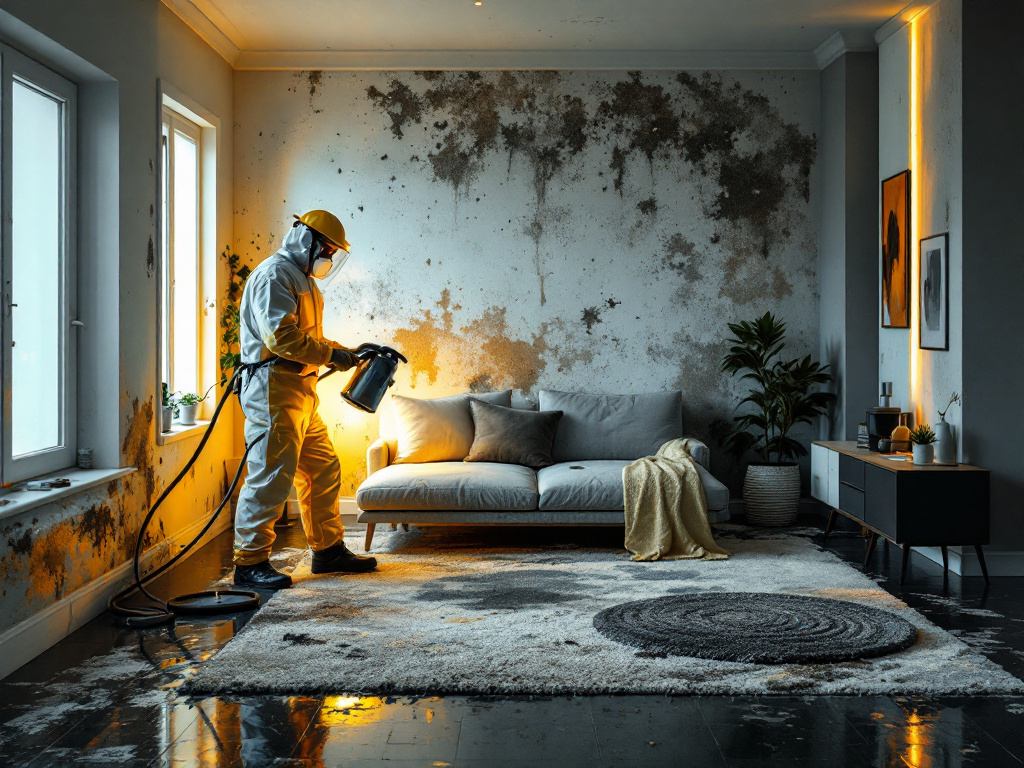
Understand mold growth
When you face toxic mold cleanup in houses, it helps to know why mold appears and how it spreads. Mold spores are microscopic particles that land on damp surfaces and thrive when moisture and organic materials combine. Without addressing both the cause and the infestation, mold will return—even after cleanup.
Conditions for mold growth
- Moisture presence: leaks, floods, high humidity
- Organic food sources: wood, drywall, textiles
- Warm temperatures: 60–80°F encourages growth
- Poor ventilation: stagnant air traps moisture [1]
Common mold types
- Stachybotrys chartarum (black mold): toxic, needs professional removal [2]
- Cladosporium: common indoors, triggers allergies
- Penicillium: appears after water damage, may produce mycotoxins
- Alternaria and Ulocladium: found in damp bathrooms and basements
Understanding these factors lets you target both the visible mold and its root cause.
Inspect your property
Your next step is to assess the extent of contamination. Small patches under 10 square feet can often be handled alone, but larger or hidden issues require professional attention.
DIY vs professional testing
- DIY testing: suitable for patches under 3 ft by 3 ft with proper PPE (N95 mask, gloves, goggles) [1]
- Professional testing: uses spore traps, swabs, tape sampling meeting AIHA standards [2]
Certified mold inspection
Hiring house mold remediation certified technicians ensures accurate identification of mold species and hidden moisture sources. Pair this with residential moisture inspection services to locate leaks in roofs, pipes, and foundations before cleanup begins.
Contain mold spread
Once you know where mold lives, set up containment to prevent spores from invading clean areas.
Isolate affected areas
- Seal doors, vents and ducts with plastic sheeting
- Use high-efficiency particulate air (HEPA) filters on vacuums
- Keep foot traffic to a minimum
Maintain negative pressure
Running an air scrubber or negative-air machine in the containment zone draws spores inward, protecting adjacent rooms. This step is vital before demolition or extensive cleaning.
Plan remediation process
A clear remediation plan aligns with local guidelines and ensures safety. Decisions hinge on the size of infestation and whether you’re dealing with toxic black mold.
Small area vs large infestations
- Small areas (<10 sq ft): follow EPA cleanup tips yourself [1]
- Large or hidden mold: schedule residential mold remediation services
Regulatory guidelines
Check state and local regulations on mold removal. Some jurisdictions restrict DIY work for Stachybotrys chartarum due to its toxicity [3].
Remove visible mold
With containment in place and a plan approved, you’re ready to eliminate mold from surfaces.
Protective gear essentials
- N95 or higher-rated respirator
- Chemical-resistant gloves
- Eye protection and coveralls
The CDC warns that dead mold can still cause allergic reactions, so removal—not just killing—is critical [4].
Cleaning solutions
- Bleach mixture: 1 cup bleach per 1 gallon water, ventilate well [4]
- Detergent and water for non-porous surfaces
- Discard heavily infested porous materials (drywall, carpeting)
For professional efficiency, you might call on mold removal for homes to handle extensive or high-risk areas.
Dry and dehumidify
Mold cannot regrow without moisture. Rapid drying and humidity control are key.
Running dehumidifiers
Aim for indoor relative humidity between 30 percent and 50 percent to inhibit mold [5]. Deploy dehumidifiers in basements, crawlspaces and bathrooms.
Structural drying
Engage residential structural drying services to remove moisture from framing and subfloors. Air movers and industrial dehumidifiers accelerate drying, cutting the window for mold regrowth.
Remove odors
Even after mold removal, musty smells can linger. Neutralizing odors improves indoor air quality and comfort.
Air filtration
- HEPA air purifiers capture airborne spores and particulates [6]
- Activated carbon filters reduce volatile organic compounds
Odor neutralization
- Thermal fogging: disperses odor-neutralizing agents
- Ozone treatment: follow strict safety protocols, evacuate occupants temporarily
Remedics experts blend filtration and neutralization to restore fresh air without residual chemicals.
Repair and restore
After cleanup and drying, it’s time to rebuild and return your home to pre-loss condition.
Demolition and reconstruction
- Safely remove damaged drywall, insulation and flooring
- Replace structural elements as needed
- Coordinate with residential property damage restoration specialists
Content cleaning
- Pack out valuables for off-site cleaning
- Use EPA-registered disinfectants on non-porous items
- Restore soft goods through residential content cleaning and restoration
This full-service approach, from demolition through rebuild, lets you work with a single partner and timeline.
Coordinate insurance process
Navigating claims can delay remediation. Early coordination keeps repairs on track.
Document your loss
- Photograph mold growth and water damage before cleanup
- Keep receipts for testing, remediation and repairs
Work with adjusters
- Provide inspection reports and remediation plans
- Clarify scope of work to secure coverage for each phase
- Stay in communication to expedite approvals
Remedics offers residential emergency restoration services that include direct billing to insurers, reducing your administrative burden.
Prevent mold recurrence
Long-term protection relies on moisture management and routine checks.
Moisture control strategies
- Fix plumbing leaks and roof damage promptly
- Install exhaust fans in kitchens and bathrooms
- Grade soil away from foundation to reduce seepage
Routine maintenance
- Monitor indoor humidity with a hygrometer
- Schedule periodic residential water damage mold prevention inspections
- Clean gutters and downspouts to prevent exterior water intrusion
By combining quick response, professional cleanup and proactive maintenance, you can achieve lasting results. Rely on Remedics as your single-source partner for toxic mold cleanup in houses—from emergency call-out to final rebuild.


