
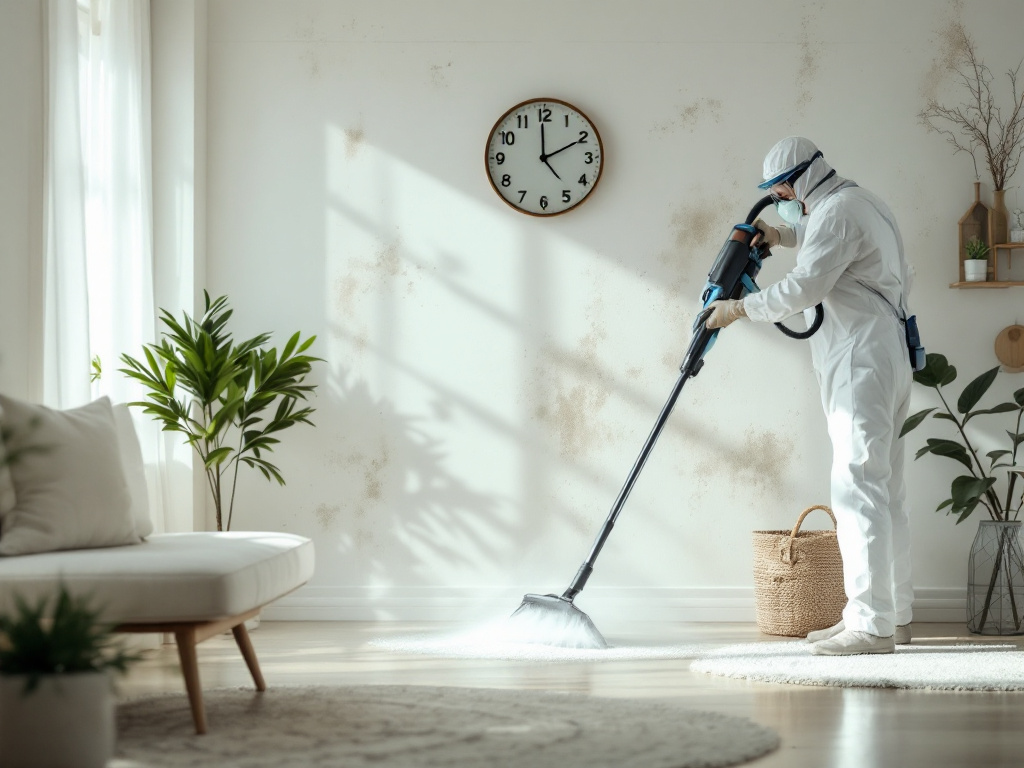
Mold removal for homes starts with prompt action when you spot growth in damp areas. Mold often follows water damage, and because mold can begin growing within 48 hours of water intrusion, you may need both emergency water extraction for homes and reliable remediation to protect your health and property. In this guide, you’ll learn how to assess infestation, plan a customized cleanup, restore damaged structures, and prevent future outbreaks, all with Remedics as your single‐source partner for full‐service residential restoration.
Understand mold risks
Mold spores are microscopic and omnipresent, meaning complete eradication is impossible. As SERVPRO notes, spores exist naturally both indoors and outdoors in virtually every environment, so remediation focuses on reducing levels to normal rather than total removal [1].
Mold health impacts
When mold colonizes surfaces in your home, it can release allergens, irritants, and in some cases mycotoxins that trigger respiratory issues. Sensitive individuals may experience coughing, wheezing, nasal congestion, or skin irritation. Black mold (Stachybotrys chartarum) is especially concerning due to its potential for producing harmful compounds [2].
Indoor mold sources
Common entry points for mold spores include clothing, open doors or windows, and pets. Once inside, mold thrives on wet drywall, wood, carpets, and insulation in humid or water‐damaged spaces. Bathrooms, basements, crawlspaces, and behind walls are typical hotspots for growth [3].
Evaluate mold infestation
Before you begin removal, you need a clear picture of the scope and severity of the problem. Proper evaluation ensures you choose the right level of service, whether DIY cleanup or professional remediation.
Inspect affected areas
Walk through your home and look for visible signs: discoloration on walls or ceilings, musty odors, peeling paint, or warped surfaces. Use a flashlight to check corners, behind furniture, and inside closets. If the affected area is less than 10 square feet (about a 3 ft. by 3 ft. patch), you can often manage cleanup yourself following EPA guidelines [4].
Use professional assessment
When mold covers more than 10 square feet, hides inside walls, or if occupants experience health symptoms, call in certified experts. House mold remediation certified technicians will conduct a thorough inspection, moisture mapping, and air quality testing. They’ll identify underlying water sources and recommend a tailored remediation plan.
Plan remediation strategy
A solid remediation strategy addresses both the mold you see and the moisture you don’t. Without controlling water, mold will likely return.
Mitigate moisture sources
Effective mold removal hinges on stopping the water intrusion that fuels growth. That may involve repairing a leaking roof, sealing foundation cracks, or upgrading gutters. In flood or leak scenarios, coordinate with residential leak detection and water cleanup and residential structural drying services to ensure your home is thoroughly dried before remediation.
Contain mold growth
Containment prevents spores from spreading during cleanup. Professionals establish negative air pressure zones with HEPA‐filtered units, seal off HVAC vents, and wrap doorways with plastic sheeting. Proper containment protects both occupants and unaffected areas of your home.
Obtain insurance support
Mold remediation often ties into water or fire damage claims. Remedics coordinates with your insurer, documents damage, and submits detailed reports to streamline your claim process. This integrated approach minimizes delays and unexpected out-of-pocket costs.
Execute removal and drying
With a plan in place, it’s time to remove mold, sanitize surfaces, and dry structural elements to safe moisture levels.
Containment and removal
Technicians remove porous materials that cannot be fully cleaned—such as drywall, ceiling tiles, carpeting, and insulation—and bag them for safe disposal. Non-porous materials undergo HEPA vacuuming and wiping to physically remove mold colonies.
Apply cleaning methods
After demolition, cleaning agents kill remaining spores and prepare surfaces for restoration. A combination of EPA‐approved and community-recommended solutions may be used:
| Cleaning method | Best for |
|---|---|
| Physical scrubbing | Hard, non-porous surfaces |
| Concrobium Mold Killer | Multiple interior surfaces |
| Vinegar | Porous materials |
| Hydrogen peroxide | Grout and small spots |
| Bleach (diluted) | Non-porous surfaces only |
According to a home maintenance thread on Reddit, effective solutions include Concrobium Mold Killer, vinegar, hydrogen peroxide, and careful bleach use [5]. The EPA does not recommend routine use of chlorine bleach and advises that dead mold still be removed physically, as it can cause allergic reactions [4].
Structural drying services
Even cleaned surfaces can harbor moisture deep inside framing or subfloors. Remedics uses industrial dehumidifiers, high-capacity axial air movers, and moisture meters to confirm walls, floors, and ceilings return to safe humidity levels. This step is critical to prevent mold regrowth.
Ensure thorough reconstruction
Once mold is removed and materials are dry, your home moves into the rebuilding phase. Proper reconstruction restores functionality, aesthetics, and long-term protection.
Repair and rebuild structures
Remedics manages demolition, framing repairs, electrical and plumbing work, drywall installation, painting, and flooring replacement. Because we coordinate all trades, you avoid the hassle of juggling multiple contractors.
Restore indoor air quality
Beyond surface repairs, eliminate lingering odors with professional odor removal techniques. If smoke or fire followed your water event, you can also explore home smoke odor removal services, residential soot removal services, and residential fire damage cleanup and repair to fully refresh your living space.
Final inspection and clearance
Before handing your home back, certified technicians perform a final walkthrough, moisture scan, and air sampling. You receive documentation confirming your home meets safety standards and that mold levels are reduced to normal background concentrations.
Prevent mold recurrence
Long-term protection involves ongoing vigilance. With the right practices, you can keep mold at bay and protect your investment.
Monitor humidity levels
Maintain indoor humidity between 30 and 60 percent. Invest in a properly sized dehumidifier and place it in moisture-prone areas. Use your HVAC system’s built-in dehumidifier function if available. You can also track levels with digital hygrometers to catch spikes early.
Maintain ventilation
Proper airflow reduces condensation and keeps surfaces dry. Run exhaust fans in bathrooms and kitchens or open windows after showering or cooking. In humid climates, consider fans with humidity‐sensing controls to automate airflow adjustments [6].
Implement mold-resistant materials
When rebuilding or renovating, choose mold-inhibiting primers, paints, and drywall products. You can also install moisture-resistant flooring and trim in basements, bathrooms, and other damp spaces. For tailored solutions, ask about residential water damage mold prevention.
Choose Remedics services
When mold threatens your home, you need a trusted partner who can handle every phase from start to finish. Here’s why homeowners choose Remedics:
Single-source coordination
From initial assessment and insurance liaison to remediation, reconstruction, and final clearance, Remedics manages each step. You deal with one point of contact, not multiple vendors.
Rapid response and trust
Mold can spread quickly, and so can secondary damage like rot or structural compromise. Remedics offers residential emergency restoration services 24/7 across nationwide locations, ensuring prompt arrival and rapid containment.
Certified restoration specialists
Our team includes IICRC-certified technicians and mold inspectors who follow industry best practices. We perform thorough residential moisture inspection services before remediation and employ stringent air quality controls throughout cleanup. You benefit from the same expertise in residential mold remediation services and residential black mold removal you expect from top remediation professionals.
By choosing Remedics for mold removal for homes, you gain peace of mind that your property will be restored to a safe, healthy condition. With a proven workflow—assessment, mitigation, cleanup, drying, reconstruction, and ongoing prevention—you can avoid health risks and protect your most valuable asset.


