
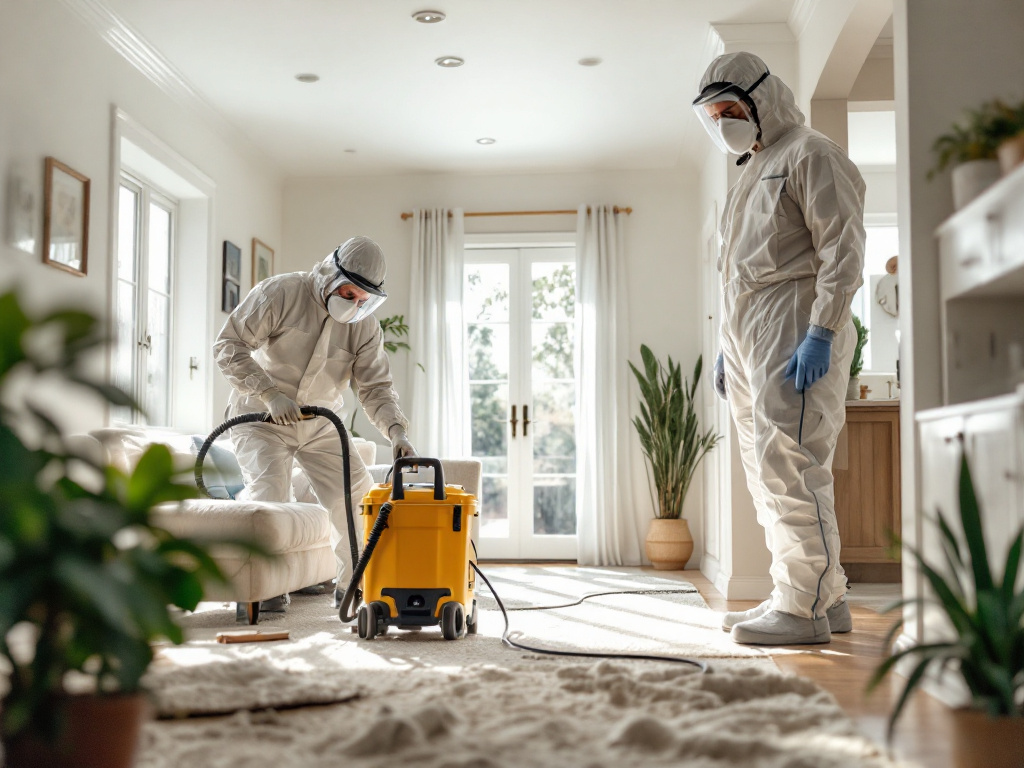
Understand mold risks
Mold growth can compromise your home’s structure, reduce indoor air quality, and pose serious health risks. When moisture infiltrates walls, ceilings, or floors—whether from plumbing leaks, flooding, or high humidity—it creates ideal conditions for mold to thrive. Black mold in particular can trigger asthma, eczema, and respiratory infections if not addressed promptly by professionals.
Recognizing early signs such as musty odors, visible mold spots, water stains, or peeling paint is critical. Delaying action allows mold colonies to expand behind drywall or under flooring, complicating remediation and increasing restoration costs. By understanding these risks, you can prioritize rapid response and enlist experienced house mold remediation certified technicians to safeguard your household.
Recognize certification importance
Certification demonstrates that technicians possess the knowledge and skills to follow industry best practices, apply proper containment techniques, and meet legal requirements. When evaluating prospects, look for credentials from reputable organizations.
IICRC mold remediation specialist (MRS)
The Institute of Inspection Cleaning and Restoration Certification (IICRC) offers the Mold Remediation Specialist (MRS) Certification to validate a technician’s competency in containment design, pressure differential control, safe work practices, and industry standards compliance. To qualify, applicants need at least one year of verified mold remediation experience spanning 12 months. The process involves:
- Submitting an application with a nonrefundable fee
- Receiving approval within ten business days
- Paying a $300 nonrefundable exam fee
- Passing a 100-question online exam within 90 days of approval
Learn more about MRS requirements and procedures [1].
MICRO Certified Mold Remediation Contractor (CMRC)
MICRO’s CMRC course provides nationally recognized training aligned with IICRC S520, New York City Department of Health, and EPA guidelines. Key features include:
- 17 online sessions totaling around 15 hours of study
- 24/7 self-paced access plus free phone consultation
- Final online exam leading to a MICRO CMRC credential
Graduates gain proficiency in professional mold remediation practices, making this a solid option if you value flexibility and comprehensive content [2].
PMII certified mold remediator (CMR)
The Professional Mold Inspection Institute (PMII) offers a 24-hour online Certified Mold Remediator course that qualifies for 14 IICRC Continuing Education Credits. The curriculum covers fungal ecology, health effects, containment, clearance testing, and proposal development. Interactive elements like flashcards and practice quizzes reinforce learning, while proposal templates and bonus materials support technicians starting new businesses [3].
Other certifications
Beyond MRS, CMRC, and CMR credentials, technicians may hold certifications in:
- Certified Mold Assessor (CMA) for advanced assessment skills
- State-specific mold remediator licenses in Florida, New York, or Texas
- Continuing education in remediation best practices and specialized scenarios
Always verify proof of current certification and any required state licensure before hiring.
Evaluate technician qualifications
Certification is essential but not sufficient on its own. To ensure you hire reliable professionals, assess their practical qualifications across multiple dimensions.
Check experience and references
Ask for examples of recent mold remediation projects similar in scope to yours. Request before-and-after photos or client testimonials that illustrate successful containment, removal, and clearance testing. Speaking directly with past customers can reveal how technicians handle challenges, communicate progress, and respect your property.
Verify licensing and insurance
A reputable mold remediation contractor should:
- Hold necessary state or local licenses for environmental or hazardous materials work
- Carry general liability and pollution liability insurance
- Provide a written contract detailing scope of work, timelines, and warranty terms
Request copies of insurance certificates and licensing documents. This ensures you are protected if accidents or property damage occur during remediation.
Assess equipment and safety
Effective mold remediation relies on specialized equipment and strict safety protocols. Confirm that technicians use:
- HEPA-filtered air scrubbers and vacuums
- Negative-pressure containment systems
- EPA-registered biocides for disinfection
- Appropriate personal protective equipment (PPE) such as full-face respirators
Proper cleanup includes HEPA vacuuming of surfaces and clearance testing to confirm spore counts have returned to normal levels. If your home has hidden infestations, inquire about attic mold removal residential services.
Compare service offerings
Comprehensive restoration goes beyond mold remediation alone. When you compare providers, look for end-to-end services that cover every step of the workflow, reducing coordination efforts and expediting your return to a healthy environment.
Full restoration workflow
| Phase | Scope |
|---|---|
| Assessment and inspection | Identify moisture sources, type of mold, and extent of infestation |
| Mitigation and containment | Establish negative pressure, seal off affected areas |
| Cleanup and removal | Remove contaminated materials, disinfect surfaces |
| Drying and dehumidification | Lower humidity to inhibit regrowth |
| Odor removal and sanitization | Treat air and surfaces to eliminate musty smells |
| Reconstruction and repair | Restore building materials, repaint, and finish |
Assessment and inspection
A thorough residential moisture inspection services process pinpoints leaking pipes, roof breaches, or basement seepage. Technicians use moisture meters and infrared cameras to detect hidden dampness.
Mitigation and containment
By implementing negative-pressure containment, experts prevent mold spores from spreading to unaffected areas. This phase often dovetails with residential leak detection and water cleanup when water intrusion is the underlying cause.
Cleanup and removal
Depending on the mold type and severity, technicians may offer standard residential mold remediation services, focused mold removal for homes, or specialized toxic mold cleanup in houses. For aggressive infestations, they might recommend residential black mold removal.
Drying and dehumidification
Rapid drying reduces mold regrowth risk. Commercial dehumidifiers and high-speed air movers penetrate wall cavities and flooring. Consider residential dehumidification services for ongoing humidity control.
Odor removal and sanitization
Ozone generators, hydroxyl machines, or thermal fogging neutralize musty odors and kill remaining spores.
Reconstruction and repair
Once remediation is complete, professionals rebuild affected areas by installing new drywall, flooring, or trim. They can also coordinate full residential property damage restoration or residential emergency restoration services when your property has suffered multiple types of damage.
Search local technicians
With a clear understanding of certifications, qualifications, and services, you can narrow your search to reliable local experts.
Ask for referrals
Start by asking neighbors, friends, or your insurance adjuster for recommendations. Personal referrals often lead to technicians with proven track records in your community.
Explore online directories
Use platforms like Angie’s List, HomeAdvisor, or specialized remediation directories. Look for providers with high ratings, recent reviews, and clear disclosures of certification. Verify that profiles list relevant credentials, such as IICRC MRS or MICRO CMRC.
Partner with Remedics
Choosing a single-source partner streamlines communication, ensures accountability, and accelerates project timelines.
Single-source benefits
When you work with one provider for assessment, remediation, and reconstruction:
- You avoid coordination delays between multiple contractors
- A dedicated project manager oversees every phase
- Communication remains consistent and transparent
- Warranty and insurance claims are easier to manage
Why homeowners choose Remedics
Remedics stands out for:
- Rapid response teams available around the clock
- Certified mold remediation technicians with MRS and CMRC credentials
- Turnkey restoration services from inspection to rebuild
- In-house project management and insurance liaison
- Strict adherence to industry standards and safety guidelines
By partnering with Remedics, you gain confidence that your home is in expert hands throughout the restoration journey.
Manage insurance costs
Mold remediation often involves working closely with your insurer to secure coverage and control expenses.
Estimate remediation expenses
Professional mold remediation can range from $1,225 to $3,750 total, or approximately $10 to $25 per square foot, depending on mold type, affected area, and containment complexity [4]. Ask for detailed quotes that break down inspection, containment, removal, drying, and reconstruction costs.
Coordinate with insurers
Submit inspection reports, photo documentation, and contractor estimates to your insurance provider promptly. A restoration specialist from Remedics can liaise directly with adjusters, clarifying technical details and expediting claim approval. This integrated approach reduces out-of-pocket expenses and avoids claim delays.
Prevent future mold
Once remediation is complete, maintaining a dry, well-ventilated home is key to preventing recurrence.
Control moisture sources
- Repair leaking roofs, windows, and pipes immediately
- Ensure gutters and downspouts divert water away from the foundation
- Run exhaust fans in bathrooms and kitchens
- Keep indoor humidity below 60 percent with dehumidifiers
Schedule routine inspections
Regular checkups by certified technicians can catch small leaks or elevated moisture before they develop into full-scale mold. Incorporate annual assessments into your home maintenance plan to stay ahead of potential problems.
Take next steps
Addressing mold in your home doesn’t have to be daunting. By understanding certification standards, evaluating technician qualifications, comparing comprehensive service offerings, and partnering with a full-service provider like Remedics, you’ll ensure a safe, healthy environment for your family.
- Schedule an initial assessment to identify mold and moisture sources
- Request proof of certification and insurance before hiring
- Obtain a detailed remediation and reconstruction proposal
- Work with Remedics to manage insurance claims and project logistics
- Implement moisture control measures and routine inspections
With certified technicians guiding every phase of the process, you can breathe easier knowing your home is protected against mold now and in the future.


