
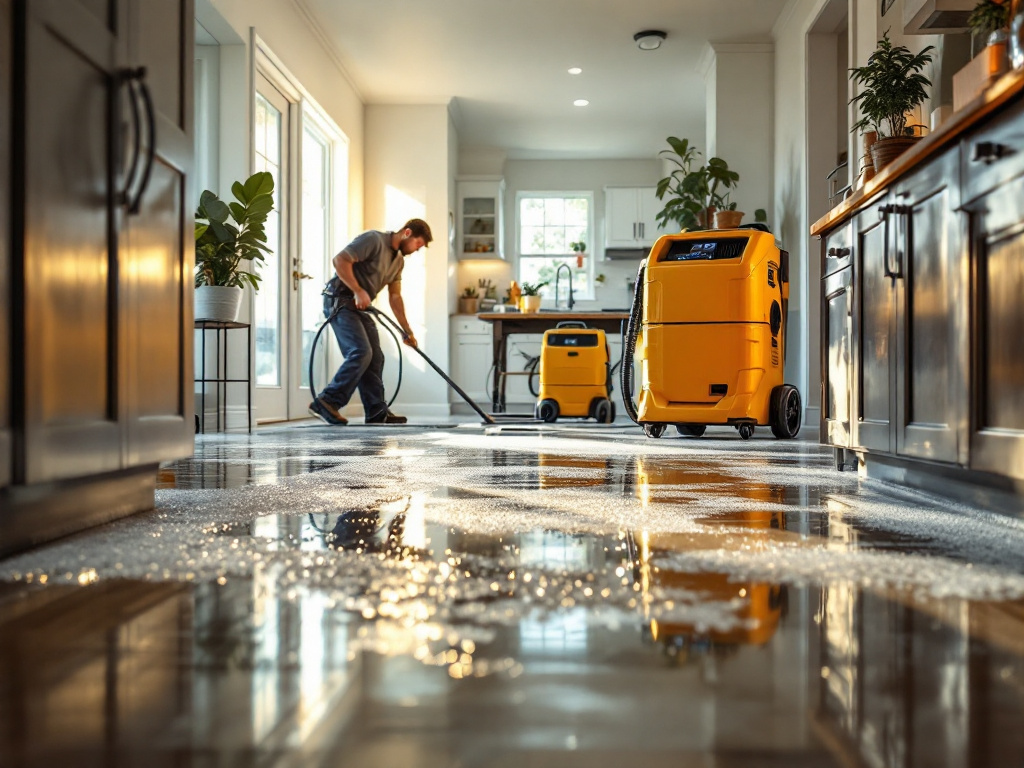
You need fast, reliable residential floor drying services when water or other damage strikes your home. With Remedics as your full-service restoration partner, you get expert assessment, mitigation, cleanup, demolition, remediation, drying, odor removal, reconstruction, and insurance coordination—all under one roof. From emergency water extraction to the final coat of paint, our team moves quickly to protect your floors and your investment.
Evaluate your property damage
Before any drying begins, you need a clear picture of your home’s condition. A thorough residential property damage assessment identifies visible and hidden issues so you can plan an effective restoration strategy.
Conduct initial inspection
You should start with a room-by-room walkthrough. Look for standing water, warped flooring, peeling baseboards, or buckled hardwood. Note any discoloration or sagging in ceilings or walls above flooded areas. Document these observations with photos to support insurance claims later.
Perform moisture mapping
Modern moisture meters and thermal imaging cameras detect water trapped beneath surface materials. Accurate moisture mapping ensures you know exactly where hidden pockets of water remain, especially in subfloors and wall cavities. Professionals at Common Cents Restoration emphasize the value of this step in tailoring drying efforts to your home’s unique needs [1].
Assess structural integrity
Water can weaken joists, beams, and subfloor fasteners. If you notice cracking drywall or bulging floors, structural elements may need temporary shoring before extensive drying. Addressing these issues early keeps your home safe and prevents secondary damage.
Plan mitigation and cleanup
Once you understand the scope of damage, rapid mitigation and cleanup minimize further loss. Timely action is critical—black mold can begin to grow within 48 to 72 hours after flooding, leading to health risks and costly repairs [2].
Emergency water extraction
Swift removal of standing water stops spread and reduces moisture levels. Remedics deploys powerful pumps and extraction units similar to those used by leading providers of emergency water extraction for homes. Extracting hundreds or thousands of gallons on day one dramatically cuts drying time.
Demolition of unsalvageable materials
Carpet, padding, drywall, and insulation soaked beyond recovery must be removed to allow airflow and prevent mold. Careful demolition limits dust and debris spread to unaffected areas, and safe disposal follows local regulations.
Sanitize and deodorize areas
Contaminated water, especially Category 2 grey water or Category 3 black water, carries health hazards. After removal Remedics applies EPA-registered antimicrobial treatments, sanitizes surfaces, and deodorizes to neutralize odors and inhibit microbial growth. This step aligns with best practices in water damage cleanup for residential properties.
Execute residential floor drying
Drying your floors is more than running fans. Precision equipment and continuous monitoring ensure every layer returns to safe moisture levels, protecting wood, laminate, tile, and subfloors.
Deploy air movers and dehumidifiers
Air movers accelerate evaporation by creating high-velocity airflow over wet surfaces. Paired with residential dehumidification services, dehumidifiers capture moisture from the air, preventing it from re-settling on cooled surfaces. You’ll see how service providers like ServiceMaster Restore follow a five-step drying and dehumidification process to eliminate moisture efficiently [3].
LGR dehumidifiers
Low-grain refrigerant (LGR) units excel at lowering humidity in warm, humid conditions. They are ideal for general flood scenarios.
Desiccant dehumidifiers
These units use chemical absorption to pull moisture even at low temperatures, perfect for cooler climates or crawlspaces.
Monitor moisture levels daily
Continuous moisture readings in multiple locations guide adjustments to equipment and setup. SERVPRO professionals typically check drying progress daily, ensuring targets are met and preventing under- or over-drying [4].
Address hidden moisture
Floor mats and injectidry systems force conditioned air beneath hardwood planks to extract water from subflooring. For Class 4 intrusion—deep water penetration—this targeted approach is crucial to avoid warping, buckling, or delamination.
Prevent mold growth and odors
Even after visible dryness, you must guard against mold, mildew, and lingering smells.
Control humidity long term
Keep relative humidity below 60 percent during and after drying. Dehumidifiers left in place for monitoring can prevent condensation on cooler surfaces and reduce the chance of microbial proliferation.
Apply antimicrobial treatments
Professional-grade antimicrobials provide a protective barrier against mold and bacteria. Treated surfaces stay cleaner longer and resist musty odors. This complements residential water damage mold prevention.
Remove smoke, soot, and odors
If fire or smoke damage accompanies water intrusion, soot can embed in flooring fibers. Specialized cleaning of hard and soft surfaces removes particulates, while HEPA filtration and ozone treatments eliminate stubborn odors. Remedics integrates residential soot removal services and residential odor removal after smoke for comprehensive results.
Reconstruct and restore spaces
With drying and cleanup complete, it’s time to rebuild and return your home to its pre-loss condition.
Repair flooring and subfloors
Warped boards, tiles, or carpet pads are replaced to restore safe, level surfaces. Subfloor repairs—often $250 to $750 for a 150-square-foot area—ensure a solid foundation before installing new materials [5].
Rebuild damaged structures
Framing, drywall, and trim removed during demolition are rebuilt. Remedics manages every trade—carpentry, painting, flooring installation—so you have a single point of contact rather than juggling multiple contractors.
Finish with painting and trim
Matching existing color schemes or choosing fresh finishes, your restored walls, ceilings, and moldings receive careful attention. Final inspections confirm code compliance and aesthetic quality.
Navigate insurance coordination
Dealing with insurance can be overwhelming after a disaster. Remedics simplifies the process so you can focus on your family and daily life.
Document damage and workflow
Throughout assessment and restoration, we photograph each stage. Detailed logs of equipment run times, moisture readings, and remediation steps build your claims package.
File and follow up claims
Our project managers work directly with adjusters, submitting paperwork, cost estimates, and progress reports. Clear, timely communication helps prevent claim delays.
Communicate with adjusters
Whether your policy covers water, fire, mold, or combined damage, Remedics provides the technical details insurers need. You get peace of mind knowing restoration costs align with policy provisions.
Why homeowners choose Remedics
From your first call to the final walkthrough, Remedics stands out as a trusted single-source restoration partner.
Single-source restoration
You won’t juggle multiple contractors. We deliver residential structural drying services, residential structural restoration services, and residential emergency restoration services, all coordinated seamlessly.
24/7 rapid response
Damage does not wait for business hours. Our team is available around the clock to start mitigation immediately, reducing repair costs and health risks.
Certified technicians and equipment
Our crew follows the IICRC S-500 Standard, the industry benchmark for water damage restoration. We use industrial-grade pumps, air movers, and dehumidifiers to ensure thorough drying and lasting results.
When you face water, fire, smoke, or mold damage, you deserve a partner who handles every detail with expertise and care. With Remedics, you get complete residential floor drying services plus end-to-end restoration support—so you can move forward with confidence.


