
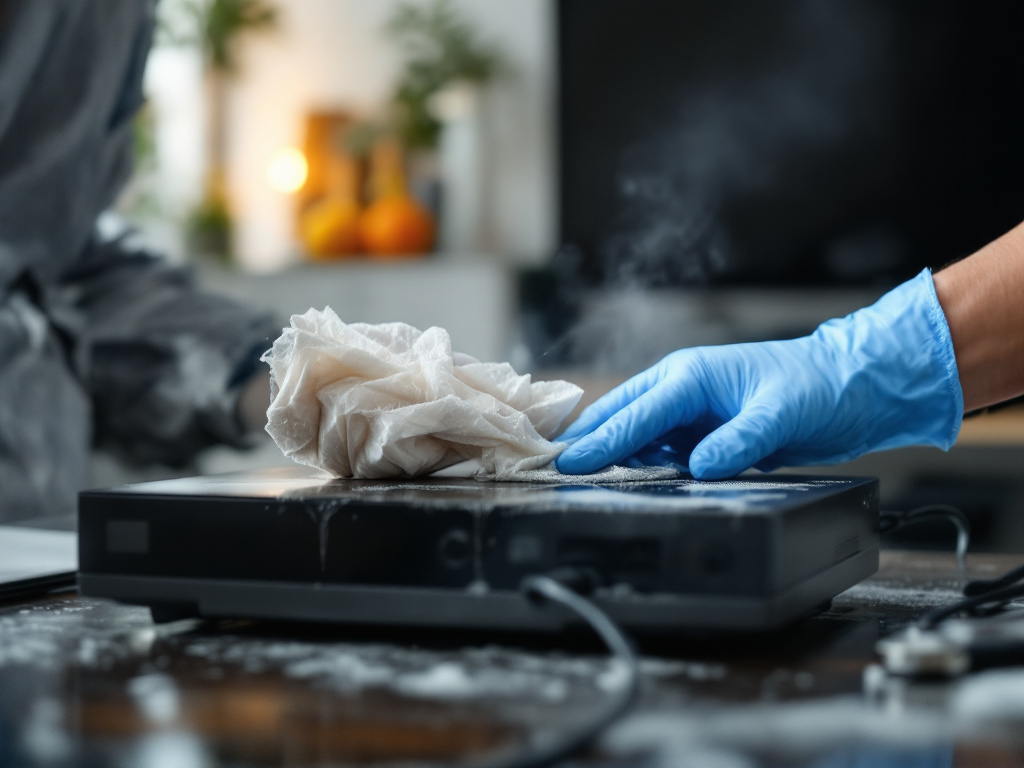
Residential electronics cleaning after fire is a vital step in restoring your home to a safe, functional state. When smoke, soot, and firefighting water invade your living spaces, your devices—from TVs and gaming consoles to refrigerators and smart home systems—face hidden damage that can lead to corrosion, electrical shorts, and data loss. By prioritizing electronics cleaning, you protect your investment, safeguard your family from hazards, and speed up your overall recovery.
In this article, you’ll discover why thorough cleanup of fire-exposed electronics matters, how it fits into the complete restoration workflow, and why partnering with a full-service provider like Remedics makes the process seamless. Whether you own a single appliance or manage multiple devices, understanding each phase—from assessment through reconstruction and insurance coordination—empowers you to make informed decisions and regain control of your home.
Fire damage overview
A home fire leaves visible and invisible threats behind. Flames, smoke, and extinguishing water damage walls and floors, while soot and acidic residues coat surfaces. These contaminants can penetrate delicate electronics, even those tucked away in cabinets or closets.
Smoke from fires contains soot, ash, and toxic chemicals that adhere to circuit boards and wiring, corroding metals and disrupting functionality [1]. Meanwhile, the water used to extinguish flames introduces minerals, bacteria, and debris that accelerate deterioration inside devices [2].
Addressing these risks early is crucial. Untreated electronics may short-circuit when powered on, posing shock and fire hazards. By integrating electronics cleaning into your residential fire damage restoration services, you ensure that every component of your home, from structural elements to electronic systems, is restored safely and effectively.
Electronics impact and risks
Smoke and soot interact with moisture to form acidic deposits inside devices. These residues etch metal contacts and microchips, leading to intermittent failures or complete breakdowns over time. Even if your TV powers on immediately after a fire, hidden corrosion can trigger malfunctions weeks or months later.
Key risks to your electronics include:
- Corrosion of circuit boards, wiring, and connectors
- Short circuits from conductive soot particles [3]
- Residual odors that linger within plastic housings
- Data loss from compromised storage media, such as hard drives
Water exposure compounds these issues. Minerals and contaminants left by firefighting water can create conductive paths, accelerating failure. In some cases, power surges occur when trapped moisture evaporates under electrical load. To avoid these dangers, preventing premature reactivation and securing professional assessment are essential steps in your recovery.
Assess electronics damage
Before cleaning begins, you need a detailed evaluation of every affected device. A thorough assessment identifies which items require restoration, which need replacement, and which pose safety hazards if powered.
Steps in your assessment process:
- Disconnect power sources and remove batteries to prevent accidental activation.
- Document visible damage, including soot deposits, bent or melted parts, and water intrusion.
- Classify devices by salvageability:
- No visible heat damage but heavy soot contamination
- Water-exposed items with unclear internal condition
- Direct flame contact causing irreversible harm
- Gather serial numbers, warranties, and receipts for insurance documentation.
Professional restoration teams often employ specialized diagnostic tools—such as circuit testers and moisture meters—to pinpoint unseen damage. Involving experts at this stage reduces guesswork and prevents costly errors. For a full-home evaluation, consider Remedics’ residential property damage assessment as your first line of defense.
Plan mitigation and cleanup
Once you understand the scope of damage, you and your restoration partner develop a cleanup plan. This phase focuses on stabilizing the environment to prevent further harm and laying the groundwork for deep cleaning.
Mitigation and cleanup may involve:
- Containment to isolate smoke- and water-damaged areas, limiting cross-contamination
- Removal of debris around electronic equipment, reducing dust and soot spread
- Dry pack of smaller devices—placing them in airtight bags with desiccant packs
- Initial surface cleaning to remove loose soot using soft brushes or low-pressure air
By implementing structured fire and smoke cleanup for homes, you protect undamaged areas and establish safe zones for restoration work. Rapid mitigation also limits secondary damage, such as mold growth in damp electronics or further corrosion from lingering acids.
Perform electronics restoration
Cleaning electronics after fire damage requires precision and expertise. DIY methods often worsen the problem by forcing contaminants deeper into devices or creating static discharge risks [2]. Instead, rely on professional techniques:
- Ultrasonic bath cleaning to dislodge soot and acidic residues from circuit boards
- Ionized air washing that removes microscopic particles without moisture
- Targeted solvent cleaning with high-purity isopropyl alcohol (>90%) for external surfaces [1]
- Compressed air flushing for vents, ports, and cooling fans [4]
Professionally restored electronics undergo rigorous safety and functionality testing before being returned to you [5]. In many cases, this process salvages devices that would otherwise be discarded, saving you replacement costs and reducing waste.
Ensure thorough drying
After cleaning, controlling moisture is critical. Residual dampness can reignite corrosion and create conditions favorable to mold growth. Your restoration team should implement a comprehensive drying strategy:
- Employ industrial-grade dehumidifiers and air movers to extract moisture from device interiors and surrounding structures
- Monitor humidity levels and internal moisture content with digital sensors
- Provide spot drying on sensitive electronics to safeguard components
These steps align with best practices in residential dehumidification services and residential structural drying services. Effective drying not only protects your electronics, it also stabilizes building materials and prevents secondary issues like drywall delamination or warped flooring.
Remove smoke odors
Even after cleaning and drying, unpleasant smoke odors may persist in your electronics and home environment. Professional odor removal uses advanced solutions to neutralize odors rather than masking them:
- Ozone generation to oxidize odor-causing molecules
- Hydroxyl generators that safely break down smoke compounds
- Thermal fogging to penetrate hard-to-reach areas within electronics housings
Pair these techniques with home smoke odor removal services to restore a fresh, clean atmosphere. Removing lingering odors improves indoor air quality and ensures you and your family can enjoy your recovered electronics without unpleasant reminders of the fire.
Coordinate reconstruction efforts
With electronics cleaned and your home environment stabilized, reconstruction brings everything back to pre-loss condition. Your devices often interface with rebuilt walls, ceilings, and cabinetry, so timing and coordination are key:
- Schedule reconstruction phases to avoid recontaminating cleaned electronics
- Reinstall wiring, outlets, and built-in systems after construction debris is removed
- Calibrate and test integrated systems like home theaters and smart controls
By integrating home reconstruction after water or fire damage with electronics restoration, you streamline workflows and minimize downtime. A unified project plan ensures installers, contractors, and restoration technicians work in harmony, so your home is fully functional when you return.
Manage insurance claims
Recovering electronics after fire damage is not just a technical challenge—it’s also a financial one. Proper documentation and coordination with your insurer are essential:
- Provide detailed assessment reports, photos of damage, and lists of restored items
- Supply restoration invoices that specify cleaning methods and safety tests
- Work with Remedics to validate repair costs and replacement recommendations
- Communicate with adjusters to clarify coverage for electronics restoration
By partnering with experts in residential emergency restoration services, you gain an experienced advocate who understands insurance protocols. This support helps you maximize your claim, reduce out-of-pocket expenses, and expedite settlements.
Choose Remedics services
When your home and electronics are at stake, trust and rapid response matter. Remedics offers a single-source solution that covers every phase of restoration:
- 24/7 emergency hotline and immediate dispatch
- Full-spectrum property damage restoration, including residential content cleaning and restoration
- Certified technicians trained in electronics restoration, structural drying, odor removal, and reconstruction
- Integrated insurance coordination for smooth claims handling
With Remedics managing assessment, mitigation, cleanup, remediation, drying, odor control, reconstruction, and insurance coordination, you benefit from one point of contact and consistent quality. Our comprehensive approach ensures your electronics—and your entire home—return to pre-loss condition safely, efficiently, and with minimal stress.
Residential electronics cleaning after fire is more than a niche service—it’s a critical component of full-service restoration. By understanding risks, following a structured workflow, and enlisting professional expertise, you protect your investments, ensure safety, and reclaim your home. Reach out to Remedics today to get your devices—and your life—back on track.


