
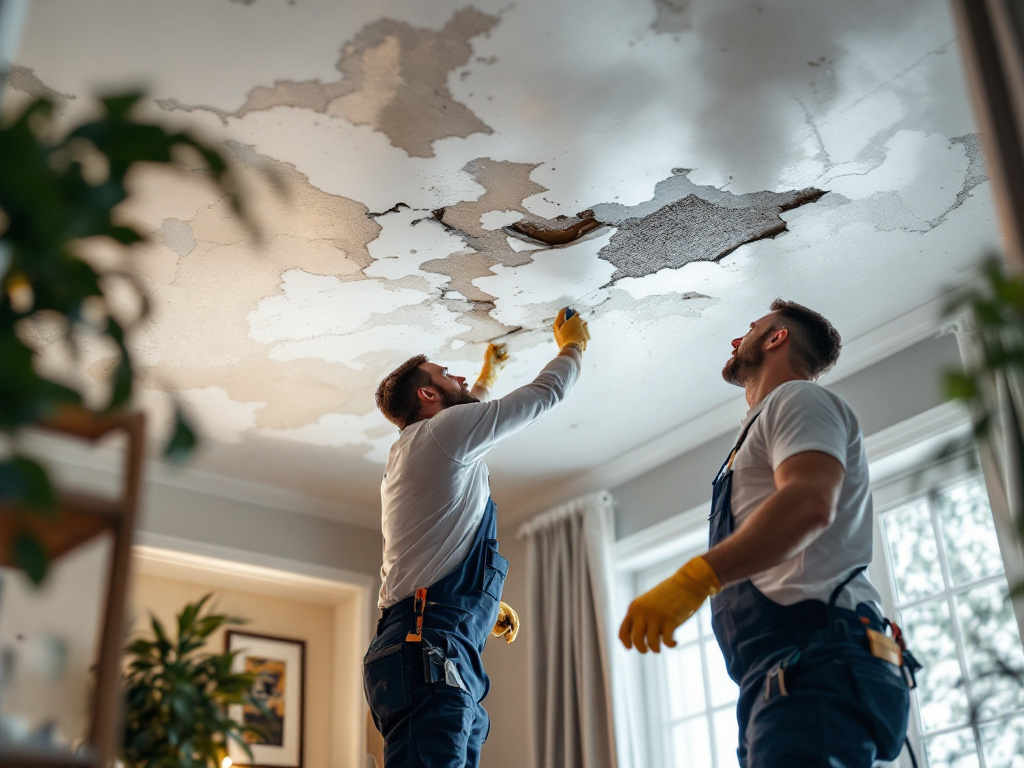
residential ceiling water damage restoration demands careful planning and execution to prevent costly delays and structural issues. In this guide, you’ll learn how to avoid the most common mistakes at each stage of the process, from initial assessment to final rebuild. By steering clear of these pitfalls, you can ensure a smooth, efficient recovery that restores your home to its pre-loss condition.
Working with a trusted partner like Remedics means you benefit from rapid response crews, comprehensive damage assessment, and a single-source project management approach. Whether you face a small stain or a sagging ceiling, understanding the full restoration workflow protects your investment and reduces stress. Below, we explore key areas where homeowners often go wrong and how to set the record straight.
Conduct a thorough assessment
Failing to assess damage accurately can derail your entire project. Before any demo or repair, invest time in a detailed inspection.
Inspect visible damage
Scan your ceiling for discoloration, bulges, peeling paint, or sagging drywall. Early warning signs—such as brown patches or mold spores—often appear only after significant moisture has settled, so don’t overlook subtle changes [1].
Perform moisture inspection
Skip the guesswork by using moisture meters or hiring professionals for residential moisture inspection services. Pinpointing high-humidity zones prevents hidden pockets of water that can lead to mold or structural decay. For expert support, consider scheduling a residential moisture inspection services assessment.
Document condition for claims
Photograph every angle and record your findings in writing. Clear documentation accelerates insurance approval and ensures no damaged area goes unnoticed. Include timestamps and notes on severity to streamline your claim.
Identify and resolve the source
Restoring the ceiling without fixing the leak is like patching a tire with a nail still inside—it won’t last.
Check common leak causes
Residential ceiling water damage often originates from leaking pipes, roof failures, or HVAC issues. Regularly inspect plumbing joints, check attic drip pans, and examine flashing around vents [2].
Hire leak detection services
If you can’t locate the leak visually, partner with certified leak detection specialists. Professional tools—such as thermal imaging cameras—reveal hidden plumbing and roof breaches. Link up with residential leak detection and water cleanup experts to track down elusive sources.
Fix before restoration
Delay reconstruction until all repairs are complete. Coordinating plumbers, roofers, or HVAC technicians first ensures that restored ceilings won’t suffer the same fate weeks later.
Implement rapid mitigation
Water left standing or spreading beyond the initial breach can exponentially increase repair scope and cost.
Extract standing water
Activate emergency water extraction for homes at the first sign of pooling. Quick removal of excess moisture reduces the risk of warped joists and compromised insulation. Remedics crews are trained for rapid deployment to extract water and contain further damage.
Contain further spread
Isolate affected rooms with plastic barriers or splash guards. Seal door thresholds and cover furniture with tarps to protect unaffected areas from collateral damage.
Initiate cleanup promptly
After extraction, begin sanitizing and debris removal. Professional water damage cleanup for residential properties teams treat surfaces to prevent microbial growth and odor before moving to demolition.
Remove and dispose materials
Improper demolition can expose your home to structural hazards or hidden mold pockets.
Follow safe demolition
Cut away damaged drywall and insulation beyond visibly affected areas. Extending cuts at least 6–12 inches into dry material ensures you remove all compromised sections. Use protective gear—gloves, goggles, masks—to guard against irritants.
Treat mold growth
If you discover mold during removal, stop work and engage certified residential mold remediation services. Applying biocides without containment can disperse spores, spreading contamination.
Comply with disposal rules
Different jurisdictions regulate how you dispose of mold-infested or lead-paint-coated drywall. Coordinate with waste facilities or request a roll-off container to manage debris responsibly.
Dry and dehumidify structures
Inadequate drying lays the groundwork for warping, decay, or persistent odors.
Deploy structural drying
Use industrial-grade fans and dehumidifiers to remove residual moisture. Investing in residential structural drying services helps you reach optimal humidity levels (below 60%) and prevents secondary damage.
Monitor humidity levels
Regularly log moisture readings in walls, ceilings, and subfloors. Automated data tracking alerts you if conditions plateau or worsen, indicating additional drying steps are needed.
Eliminate musty odors
Lingering dampness can create unpleasant odors even after visible repairs. Thorough cleaning of joists and cavities plus targeted deodorization avoids that “damp” smell in your living spaces.
Repair and restore drywall
A flawless ceiling finish depends on precise patching and finishing techniques.
Cut and patch technique
Measure each hole and cut a drywall piece that fits snugly into ceiling joists. Secure the patch with screws, add drywall tape, and apply multiple thin coats of joint compound for stability.
Feather and sand edges
After compound cures, sand edges smooth and feather the transition into existing drywall. Proper feathering conceals repair lines and prevents future peeling.
Prime and paint finish
Seal patched areas with stain-blocking primer before painting. Matching sheen levels and paint batch codes ensures the new section blends seamlessly with the rest of your ceiling. According to professional estimates, repairing ceiling water damage costs $306 to $464 per patch [3], so precision is key to avoid rework.
Prevent future mold
Mold prevention starts long before you notice stains or odors.
Apply mold-resistant treatments
Once repairs are complete, treat surfaces with mold-inhibiting primers or paints. These coatings create a barrier that discourages spore growth in high-moisture zones.
Schedule routine inspections
Set up annual or biannual checks of your roof, plumbing, and HVAC systems. Regular maintenance cuts off mold’s moisture supply before colonies can establish.
Improve home ventilation
Enhance airflow in attics, crawlspaces, and bathrooms. Installing exhaust fans or using portable dehumidifiers lowers humidity and protects your restored ceiling.
Coordinate insurance smoothly
Insurance coordination can stall restoration if mishandled.
Document repairs extensively
Keep a detailed inventory of all work—photos, invoices, material specs, and third-party reports. Well-organized records speed up claims and reduce back-and-forth with adjusters.
Communicate with adjusters
Invite your insurer to inspect damage early. A clear walkthrough of the scope and sequence of repairs prevents surprises and claim denials later.
Secure approvals before work
Obtain written sign-off on major line items to avoid out-of-scope surprises. Change orders should reference original estimates to maintain cost control.
Rebuild with lasting quality
Your final reconstruction choices determine how well your ceiling weathers future events.
Choose durable materials
Opt for moisture-resistant drywall or mold-inhibiting backer boards. These products add resilience in areas prone to leaks or humidity spikes.
Engage a single-source partner
Partnering with Remedics means you work with one team through assessment, mitigation, cleanup, demolition, remediation, drying, odor removal, reconstruction, and insurance coordination. This holistic approach minimizes communication gaps and accelerates your return to normal.
Plan for long-term maintenance
Schedule periodic check-ups and maintain warranties on installed materials. Your restored ceiling will remain in peak condition when you treat it as part of an ongoing home maintenance plan.
Avoiding these common mistakes in residential ceiling water damage restoration protects your home’s structural integrity and your peace of mind. By conducting a thorough assessment, fixing leaks, mitigating water quickly, removing damaged materials correctly, and following a disciplined restoration workflow, you ensure a resilient finish. Trust Remedics as your rapid response, single-source partner to deliver professional, end-to-end residential property damage restoration and residential emergency restoration services that get you back under a safe, sound ceiling.


