
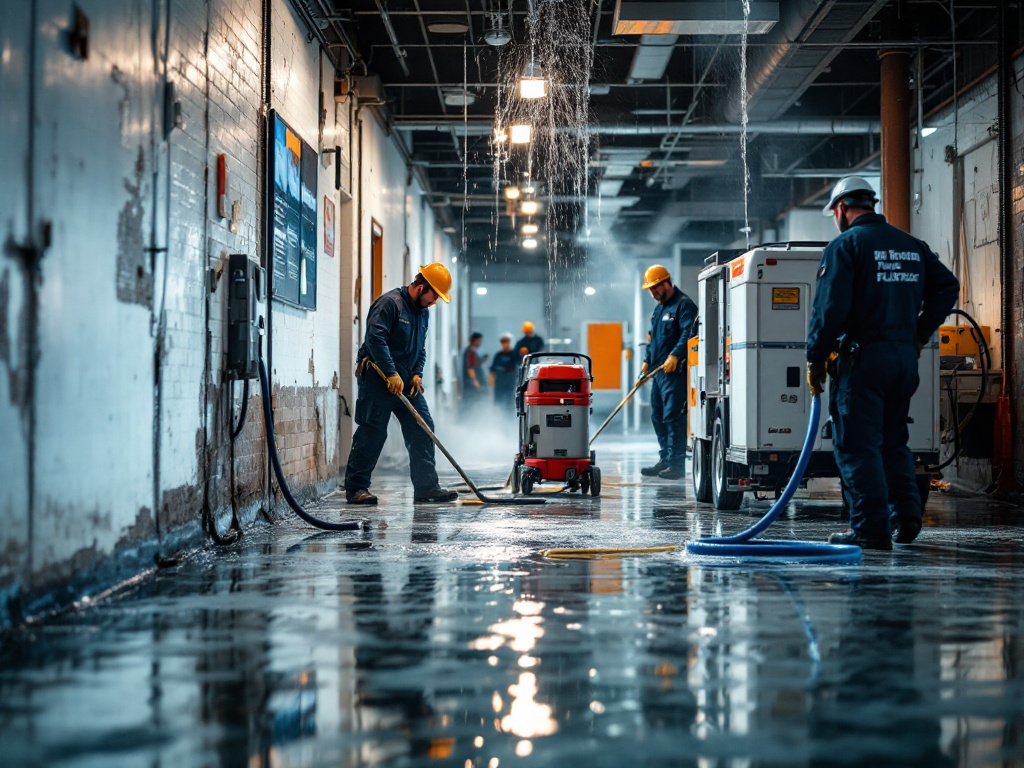
Commercial flood cleanup and extraction is crucial when your facility faces water intrusion. Rapid removal of floodwater, thorough structural drying, and targeted mold remediation protect your assets minimize operational downtime and curb long-term costs. By acting quickly you preserve your building’s integrity safeguard occupant health and ensure compliance with industry regulations. In this guide you’ll learn how a coordinated workflow—from hazard assessment through large-scale restoration—helps you recover faster and with confidence.
Understand flood cleanup importance
Minimize downtime and losses
When floodwater enters your commercial space every hour counts. Standing water can damage flooring, walls, electrical systems, and inventory. Swift commercial flood cleanup and extraction reduces the time your business is offline. By deploying extraction crews and equipment within hours you limit revenue loss, avoid supply chain disruptions, and maintain customer trust.
Prevent secondary damage
Beyond immediate water removal you need to stop hidden risks. Trapped moisture leads to mold growth and structural deterioration within 24 to 48 hours [1]. Accelerated cleanup prevents warped subfloors, weakened drywall, and corroded metal supports. A strategic plan that combines water removal with early drying targets these secondary issues before they escalate into costly repairs.
Coordinate hazard mitigation
Assess contamination risks
Floodwater in commercial settings may carry chemical residues, sewage, and debris. Identify water category—clean, gray, or black—before starting cleanup. Black water poses the highest health risks, requiring full protective measures and EPA-registered disinfectants. A certified technician evaluates contamination levels and designs a tailored response to protect your staff and occupants.
Implement safety protocols
During cleanup your team must follow strict safety standards. Wear N95 respirators, sealed goggles, gloves, long sleeves, and protective boots to shield against mold, bacteria, and possible asbestos [1]. Establish decontamination zones for equipment and personnel to avoid cross-contamination with clean areas.
Secure the site
Keep unauthorized personnel out of work zones. Use signage, barriers, and controlled access points to maintain safety and operational control. Rapid hazard mitigation is an integral part of any commercial water mitigation services agreement, ensuring a safe foundation for the next phases of restoration.
Execute water extraction processes
Choose the right equipment
Selecting proper extraction tools is key to efficient water removal. For large-scale or multi-story facilities, truck-mounted extractors deliver high-volume capacity and mobility. In tight spaces or initial response scenarios, portable extractors with water claw attachments or wet-dry vacuums can bridge the gap until heavy equipment arrives [2].
Professional-grade tools
– Truck-mounted extractors: ideal for category 2 and 3 water damage, high suction power, mobile storage
– SOS FLUSH PRO Sub Surface Extraction Tool: deep water removal and odor control [3]
– Mytee 7000LX Flood Hog™: portable, high-efficiency unit for commercial flood restoration
Temporary removal solutions
– Wet-dry vacuums: readily available, useful for small spills and interim cleanup
– Submersible pumps: efficient for basements and stormwater management [4]
Effective extraction techniques
Start extraction at the perimeter and work inward to avoid recontamination of cleaned areas. Monitor moisture levels with meters and hygrometers to confirm when surface water is removed. Immediate extraction—ideally within the first 24 hours—prevents soaked materials from wicking moisture deeper into structural components and insulation.
Optimize drying and dehumidification
Moisture detection and mapping
After water removal use moisture meters and infrared cameras to assess hidden pockets of dampness in walls, ceilings, and slabs. Tools like the Dri-Eaz HydroSensor II provide precise carpet and pad moisture readings [3]. A comprehensive moisture map guides placement of drying equipment and confirms when materials reach 15% or less moisture content for safe refinishing [1].
High-volume drying strategies
For large commercial spaces deploy air movers and dehumidifiers in targeted ratios. Industry best practice calls for 7–8 air movers per extra-large dehumidifier to optimize airflow and evaporation rates [2]. Place air movers at 45-degree angles along walls to drive moisture toward central drying zones.
Use specialized units such as the XPOWER XD-85L2 RED Commercial LGR Dehumidifier with built-in purge pump for continuous operation and effective humidity control [3]. For high-rise or multi-floor buildings combine portable dehumidifiers with ducting to focus airflow where you need it most.
Conduct commercial mold remediation
Contaminant removal steps
Mold can begin growing within 24 hours of flooding [5]. After structural drying, treat non-porous surfaces with EPA-registered disinfectants to kill remaining microorganisms. Remove damaged drywall, insulation, and ceiling tiles that show mold colonization. HEPA vacuums and air filtration devices capture airborne spores during cleanup.
Specialized mold removal services
For extensive infestations engage a commercial mold remediation company that follows ANSI/IICRC standards. Techniques include:
- Surface cleaning with biocides and detergents
- HEPA-filtered vacuuming of dust and spores
- Negative-pressure containment to isolate work areas
Prevent mold regrowth
Once remediation is complete apply antimicrobial coatings to exposed surfaces. Maintain relative humidity below 60% and inspect HVAC systems before restart to prevent cross-contamination [1]. Routine monitoring for at-risk zones helps you catch and correct moisture issues early.
Ensure safety and compliance
Protective gear and standards
Your restoration team’s health is paramount. Technicians should don N95 or higher-rated respirators, chemical-splash goggles, waterproof gloves, long sleeves and pants, and steel-toed boots [1]. Fit-testing respirators and providing site-specific safety training reduces injury risk and ensures OSHA compliance.
Regulatory adherence
Commercial flood cleanup often falls under local, state, and federal regulations. You must manage wastewater discharge in accordance with environmental permits and handle hazardous materials per EPA guidelines. Proper documentation of waste transport, disposal manifests, and cleaning logs is essential for liability protection.
Documenting compliance
Maintain detailed records of moisture readings, equipment usage, chemical applications, and personnel training. This audit trail supports insurance claims and demonstrates due diligence in commercial structural drying services engagements.
Leverage rapid operational recovery
Coordinated large-loss restoration
For substantial damage you need a turnkey solution that scales with your facility’s footprint. A large loss restoration for businesses team integrates multiple crews, heavy equipment, and project managers to keep progress on schedule. Centralized logistics and real-time reporting let you track milestones from water extraction through final repairs.
End-to-end facility restoration
Beyond flood cleanup, comprehensive recovery includes structural repairs, content cleaning, and rebuild services. Remedics’ workflow ties together commercial disaster recovery services, commercial facility restoration, and commercial reconstruction services so you avoid coordination gaps. A single point of contact streamlines communication and accelerates your return to normal operations.
Project management integration
Digital platforms enable you to approve work orders, review progress photos, and manage budgets from anywhere. Transparent schedules and milestones reduce surprises. By treating your property as a priority—even after hours—you uphold safety, compliance, and operational continuity.
Choose your restoration partner
Selecting the right provider ensures your investment in swift flood cleanup yields maximum return. Look for a team with:
- 24/7 emergency response and rapid dispatch
- Certifications in water damage restoration, mold removal, and industrial drying
- Fleet-level extraction and drying equipment
- Proven large-scale project management
When you choose a partner experienced in commercial emergency restoration response, you gain a turnkey ally committed to minimizing downtime, protecting assets, and restoring your facility to full operational capacity. Reach out to Remedics for a consultation and keep your business resilient against water emergencies.


