
Mold is a very serious concern for homeowners, landlords, and property managers alike. It not only damages property but can also cause health issues for residents. Mold remediation – the process of removing mold and treating the affected areas – is a critical step when an infestation is discovered. However, a common question arises after mold removal in Charlotte: Can mold come back?
The short answer to that question is yes, but the reasons why – and how to prevent it – are more complex. Taking a look at what mold remediation involves, common mistakes during remediation, signs of mold returning, and how to prevent it from coming back can give a much more focused glimpse into why this happens.
What is Mold Remediation?
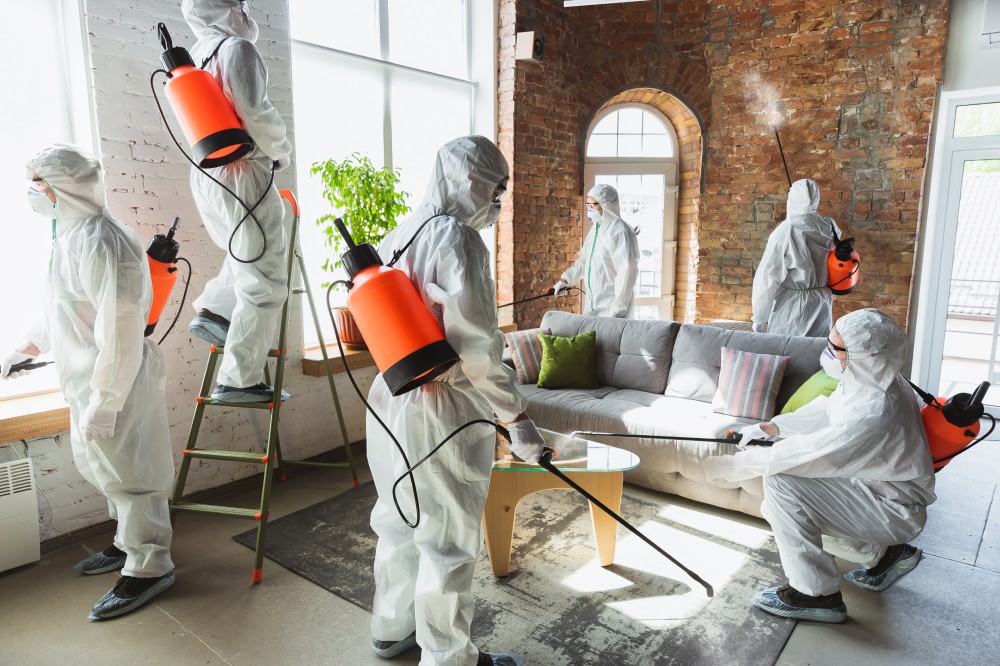
Mold remediation is a multi-step process aimed at identifying, containing, removing, and treating mold-contaminated areas in a home or building. It typically involves a number of intricate steps, starting with inspection and testing. Professionals identify mold types and locate all affected areas. Once they determine the moisture sources, it moves to containment – which is preventing the spores from spreading to unaffected areas, often using plastic sheeting and negative air pressure.
After containment, the pros will filter the air using HEPA filters to capture the airborne spores. Then damaged materials like drywall, insulation, or carpets are removed and the mold is scrubbed or sanded off of hard surfaces. Cleaning and sanitizing comes next, as antimicrobial treatments and fungicides are applied. Dehumidifiers and fans help dry affected areas, and then damaged areas are rebuilt or repainted. The overall goal is not always to eliminate 100% of mold (which is nearly impossible), but to return the levels to normal, safe, and manageable conditions.
Why Does Mold Come Back After Remediation?
If mold returns after remediation, it’s typically due to one or more of a handful of conditions. One of the main factors for mold’s return is that the moisture wasn’t fully eliminated. Mold thrives in damp environments. Even a small, hidden leak or ongoing humidity can create conditions for regrowth. If the root moisture problem isn’t fixed, mold will almost certainly return. Look for this from leaking pipes, roof damage, poor ventilation in kitchens and bathrooms, basement seepage, or high indoor humidity levels.
In some cases, mold remediation wasn’t thorough enough. Do-It-Yourself jobs or budget-friendly contractors may cut corners, leaving spores behind. Possible oversights can be not removing mold from HVAC systems, ignoring hidden areas like inside walls or under floorboards, or skipping follow-up inspections. Also watch for cross-contamination. If proper containment and air filtration measures weren’t in place during remediation, spores may have spread to unaffected areas of the home. Those spores can settle and grow once conditions become favorable.
Proper ventilation and airflow is imperative after mold has been removed. Following remediation, homes need to maintain healthy airflow as poor ventilation leads to trapped humidity. This is especially common in attics, crawl spaces, or closed rooms – recreating the ideal conditions for mold to flourish again. Delayed repairs are also an issue. Structural repairs can get postponed due to budget constraints or time. If, for instance, a wall cavity is treated but not resealed or insulated properly, it may become a breeding ground for mold once more.
Common Mistakes that Lead to Mold Re-Growth
Even with professional remediation, mistakes can be made that compromise the process. One of the biggest mistakes that cannot be overlooked is skipping post-remediation testing. Post-remediation verification (PRV) involves inspecting and testing to confirm mold has been properly addressed. Skipping this step can mean overlooking areas where mold still lingers. HVAC ducts can also harbor mold spores and blow them throughout the home, so don’t overlook the HVAC system. If the ductwork isn’t cleaned properly, the problem can spread quickly after remediation.
Another issue is when the professionals aren’t brought in. Performing DIY remediation without experience can make the problem worse. Scrubbing visible mold without understanding how spores spread can do more harm than good. Mold remediation requires containment and air management that most DIY setups lack. Simply fixing leaks isn’t always enough, so make sure humidity control is addressed. Without the proper dehumidifiers, or improving ventilation, homes can revert to mold conditions quickly. This is especially the case in humid climates like Charlotte.
How to Prevent Mold from Returning
Mold prevention is all about moisture control and environmental management. First and foremost, fix leaks immediately. Water leaking from pipes, roofs, or windows can lead to mold within a day or two. Stay vigilant and repair leaks promptly. Also install proper ventilation. Ensure your home has adequate ventilation in high-moisture areas. Use exhaust fans in bathrooms and kitchens, and install vents in the attic to reduce heat and humidity. Use dehumidifiers in basements or damp spaces.
Control the humidity indoors, aiming to keep the humidity levels between 30-50%. Hygrometers can help monitor levels, and smart home systems can even automate controls. Make sure pipes and ducts are properly insulated. Cold surfaces can lead to condensation. Insulating them prevents moisture buildup, particularly in basements or crawlspaces.
Waterproofing those basements and crawlspaces is also a great way to prevent mold. Use vapor barriers, ump pumps, and sealants to block moisture intrusion from the ground. When rebuilding after remediation, use mold-resistant materials. There are a number of options for mold-resistant drywall, paint, and insulation. These materials can resist moisture better and reduce mold risk over the long term. Finally, professional mold inspections – particularly in older homes – can catch hidden leaks or moisture pockets before they become a problem.
Signs Mold Has Come Back
If mold returns, the signs may be subtle at first, but there are a lot of indicators to look out for. Musty odors are a telltale sign. A persistent damp or earthy smell, especially in basements or bathrooms, is often the first sign. Discoloration on surfaces is also an indicator. Mold can appear in black, green, white, or gray patches. If you notice new spots, don’t ignore them. Allergy symptoms like sneezing, coughing, headaches, or skin irritation could also indicate mold – especially if those conditions improve when you’re outside.
Visible water damage like peeling paint, bubbling walls, or warped flooring can also indicate ongoing moisture issues behind the scenes. If your windows are fogging up or the air feels sticky, your home may be too humid. High indoor humidity can be a serious issue, since it creates the perfect environment for mold to come back.
What to Do If Mold Returns
If you suspect mold has returned to your home after remediation, you need to act quickly. First off, don’t try to remove the mold yourself. Even if you’ve handled a DIY job before, it’s best to bring in remediation professionals. You need a neutral, trained eye to assess whether remediation was insufficient or if a new issue has emerged. Schedule a mold inspection with certified mold inspectors. They can perform air sampling, moisture readings, and infrared scans to detect hidden colonies.
While waiting for inspection results, make sure you address the moisture immediately. Use fans and dehumidifiers to keep the impacted areas dry. If you find a leak, stop the leak as soon as possible. Also be sure to check your warranty. Many professional remediation services offer warranties or guarantees. If mold returns within a specified period, they may offer free or discounted follow-up services. If mold is confirmed and the moisture issue is still active, another round of remediation may be necessary. This time, be sure to request post-remediation verification testing to confirm success.
The Importance of Professional Mold Remediation
Professional mold remediation companies do more than just remove mold. They also locate the root cause, contain the area, and verify the job is complete. Choosing a reputable provider can reduce the risk of recurrence. You might save money with a Do-It-Yourself approach initially, but if mold returns, the long-term costs (including structural damage and health risks) can far exceed the initial savings.
The right mold remediation professionals will have a number of credentials that will give you a glimpse into their expertise. Look for IICRC certification (Institute of Inspection Cleaning and Restoration Certification) first, but also look for good reviews and references. This should give you some insight into their experience with post-remediation verification. A reputable mold remediation company will also offer transparent estimates and detailed scopes of work.
Your Best Defense is Being Proactive
Yes, mold can come back after remediation, but it doesn’t have to. In most cases, recurring mold is a sign of lingering moisture or incomplete removal. Mold spores are always in the air, so without controlling the environment, there’s always a risk of regrowth. Your best defense is being proactive by fixing leaks promptly, scheduling regular inspections, using proper ventilation, and hiring qualified professionals. Always insist on post-remediation testing, as well.
With proper care, mold problems can be a thing of the past – and your home can stay clean, healthy, and safe. For more information on how to deal with mold that returns after remediation, reach out to the experts at Remedics Restoration today.


